WiFi Explained: Transmit Power, Channel Width, and Channel Selection
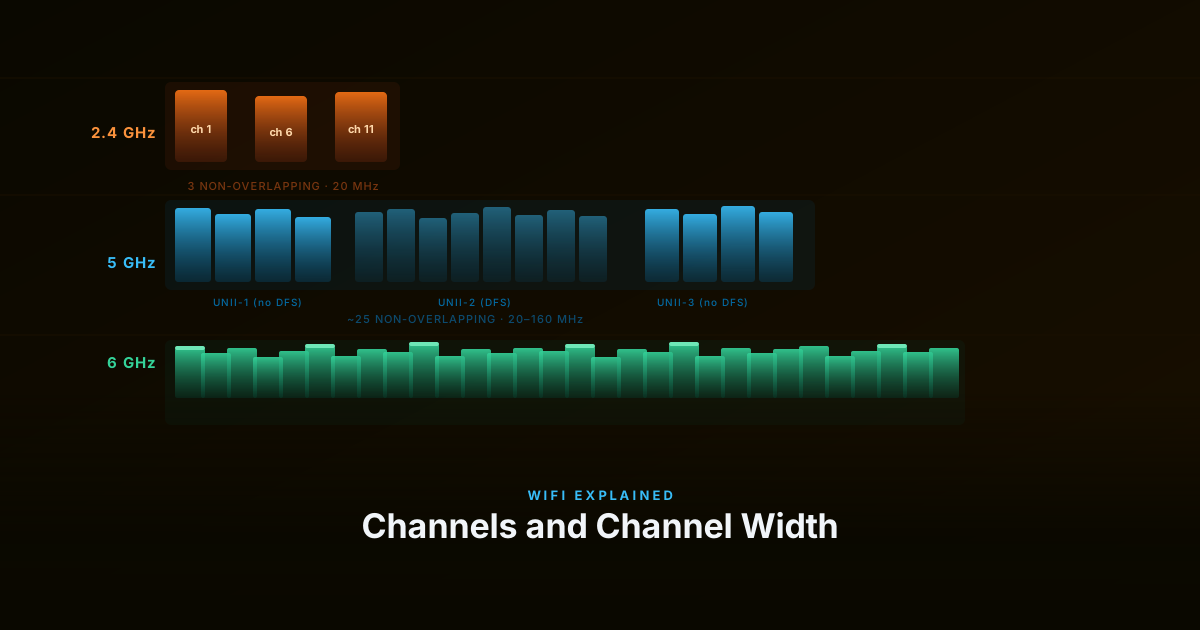
Three settings that most people leave on auto — and shouldn't. Here's what transmit power, channel width, and channel selection actually do, and how they interact.
A beginner-friendly series on how WiFi actually works under the hood. Covers how devices share the wireless medium, how WPA3 improves on older security, how roaming decisions are made, what Multi-Link Operation (MLO) changes in Wi-Fi 7, and how to think about channel planning. Written for homelab users and anyone curious about what their access points are doing.
Three settings that most people leave on auto — and shouldn't. Here's what transmit power, channel width, and channel selection actually do, and how they interact.
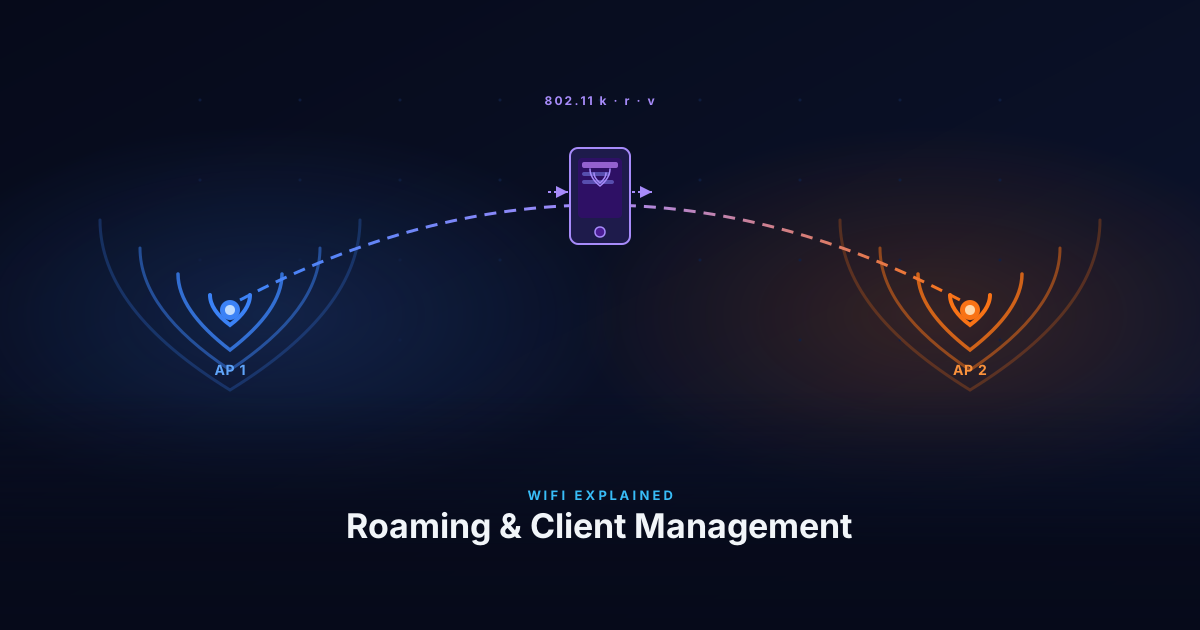
Sticky clients, band steering, and why 802.11k/r/v are the right tools. How APs guide clients between radios and access points — and what to do when the defaults cause problems.
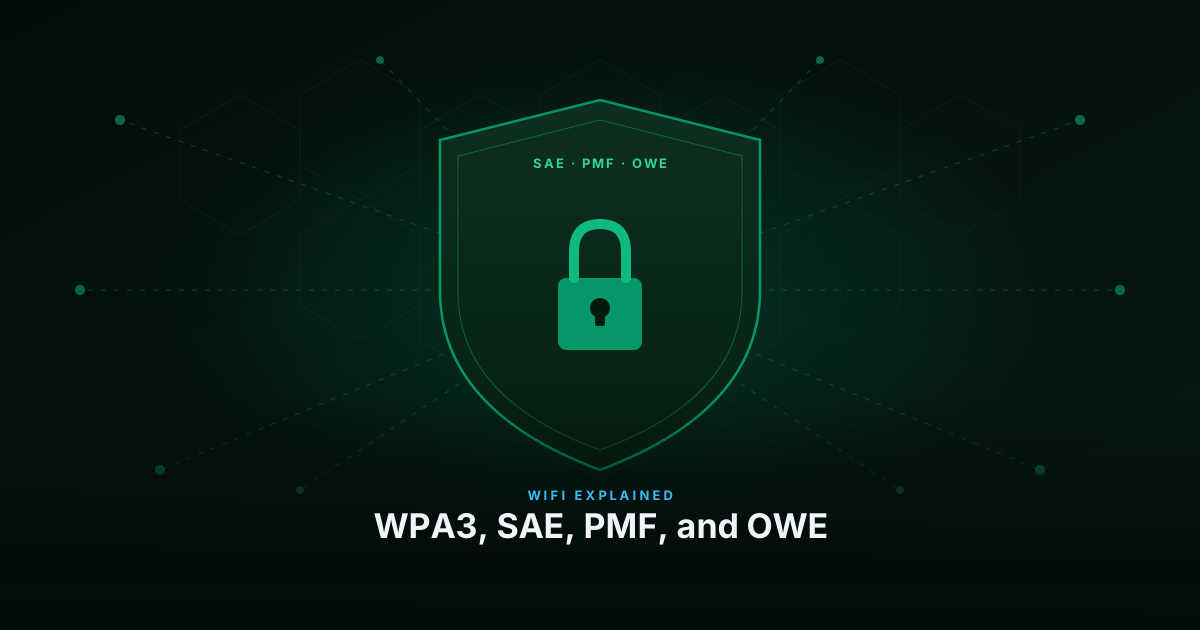
WPA3 fixes real weaknesses in WPA2 — but not the ones most people think. Here's what SAE, Protected Management Frames, and OWE actually do under the hood.
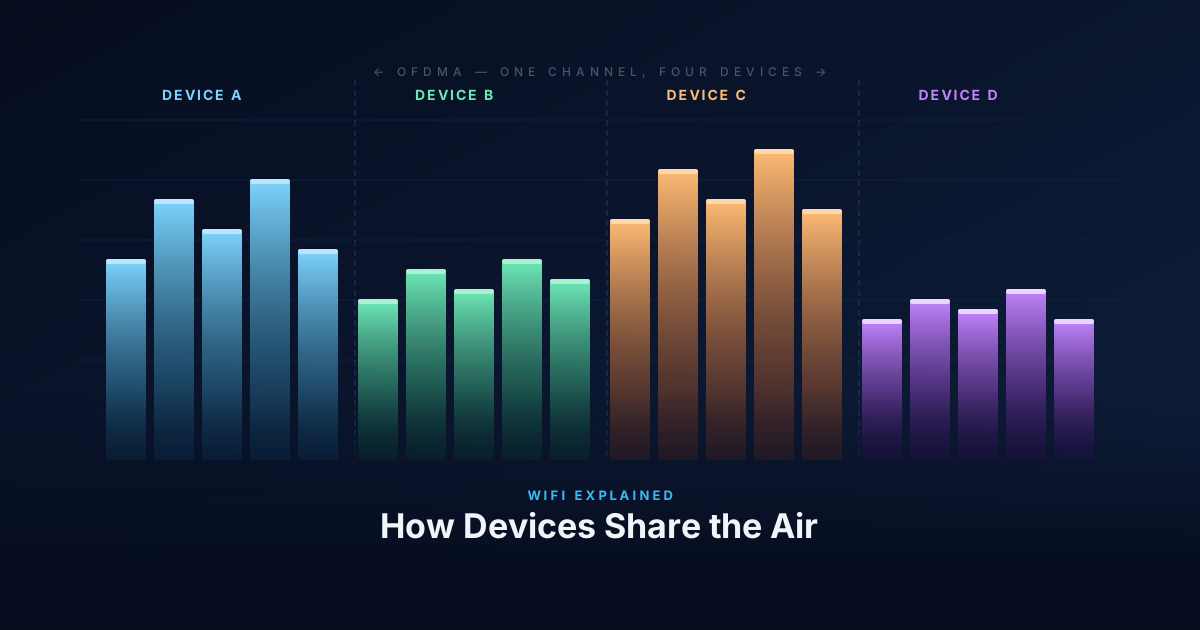
WiFi is a shared medium — every device on a channel competes for the same airtime. Here's how CSMA/CA and EDCA manage that contention, how OFDMA in WiFi 6 changes the model, how WiFi 7 pushes further with Multi-RU and Preamble Puncturing, and how Multi-Link Operation lets a WiFi 7 client use several bands as one logical link.